Material Author-Otte Stryhn
As a parent, recognizing your child's vision advancement is vital. From Related Site , infants start to concentrate on faces, and by six months, they begin to regard deepness. As they grow, routine eye tests end up being vital to catch potential problems early. You might wonder what particular milestones to expect at each phase. These insights can shape their aesthetic health and academic success in means you might not expect.
Trick Vision Milestones During Infancy and Early Childhood
As your youngster grows throughout early stage and early childhood, you'll discover a number of vital vision turning points that are critical for their advancement.
By six weeks, they'll begin focusing on your face, showing a passion in intense colors and patterns.
Around three months, their eye sychronisation improves, allowing them to track relocating things.
By 6 months, they're most likely to have deepness assumption, which helps them court distances when reaching for toys.
As they approach their first birthday, you'll see them exploring their environment with enhancing interest and aesthetic awareness.
By two years, they must be able to identify familiar faces from a distance and demonstrate improved hand-eye control.
These turning points are important indications of your child's visual health and wellness and general growth.
Crucial Eye Examination Standards for School-Aged Children
At least yearly, your school-aged kid should undertake a thorough eye examination to ensure their vision is developing effectively. These examinations help identify common problems like nearsightedness, farsightedness, or astigmatism beforehand.
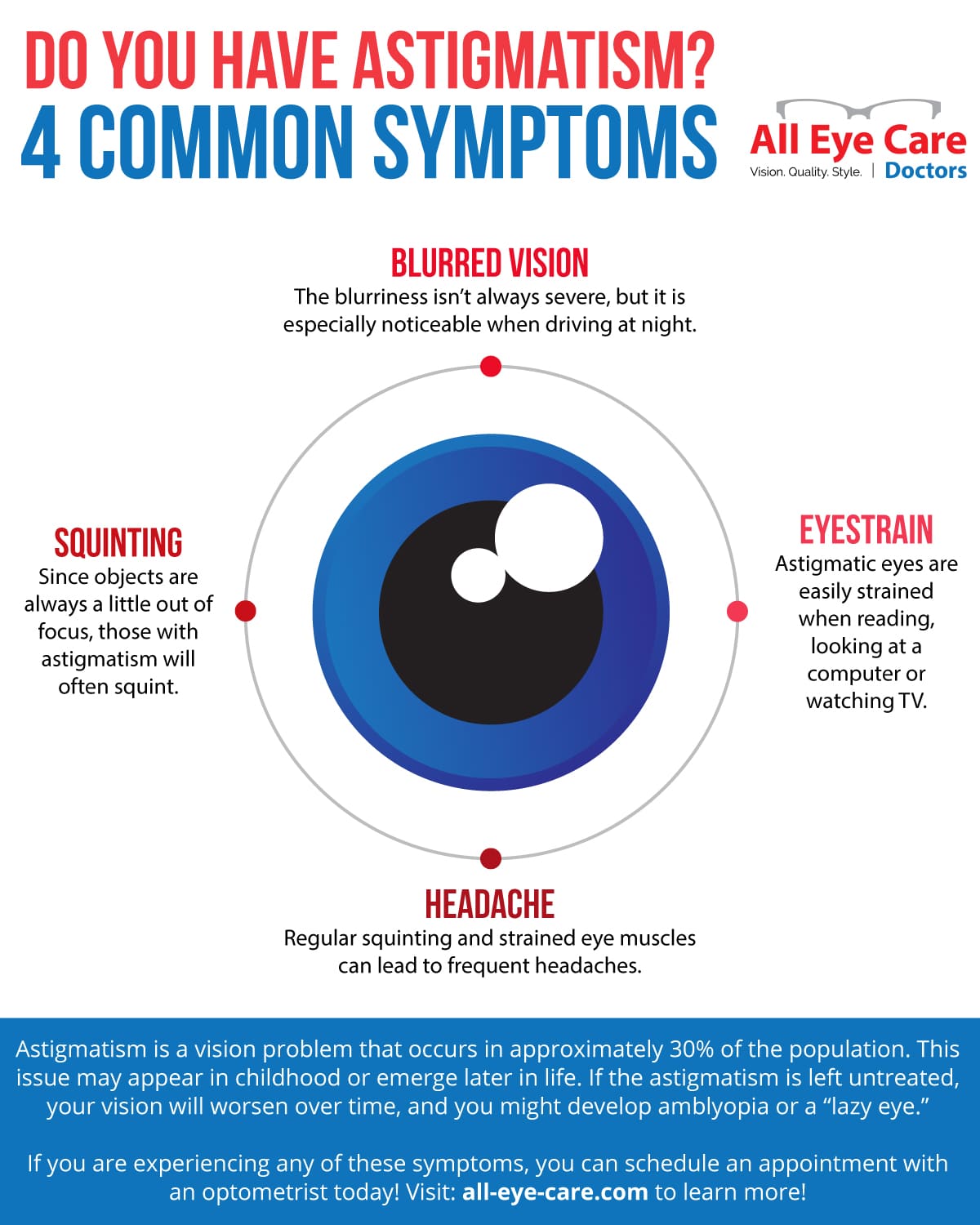
It's necessary to schedule these check outs, particularly if your child whines concerning headaches, squints, or has difficulty reading the board at school.
During the exam, the eye physician will certainly evaluate visual skill, eye positioning, and general eye health. If your kid needs glasses or contact lenses, the medical professional will give support on the best options.
Navigating Vision Adjustments in Adolescence: What to Expect?
What adjustments in your teen's vision should you be aware of? During adolescence, your child's sight can change significantly. They may experience increased nearsightedness, especially if they spend a lot of time on displays or reading.
Expect indicators like squinting, problem seeing the board in institution, or constant headaches. It's also essential to keep an eye on any kind of changes in shade perception or night vision.
Urge normal eye tests to capture problems early and guarantee their vision equals their expanding academic and social demands. If click here to investigate about blurry vision or eyestrain, do not be reluctant to get in touch with an eye care specialist.
Maintaining their vision sharp can improve their self-confidence and efficiency in institution and sports.
Verdict
To conclude, keeping track of your kid's vision turning points is vital for their advancement. Routine eye exams from infancy via adolescence assistance catch prospective concerns early. By comprehending the essential stages and complying with recommended guidelines, you can support your kid's visual health and scholastic success. Don't wait to schedule those exams, and stay sharp for any type of adjustments in their vision. Your proactive strategy can make a substantial distinction in their overall health.